
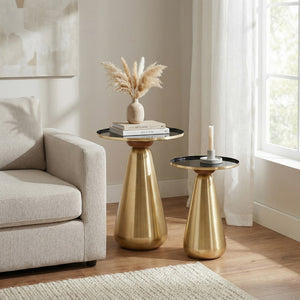
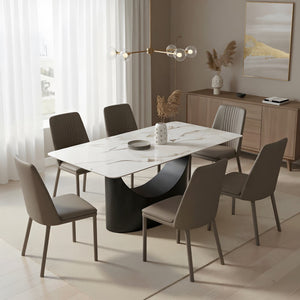
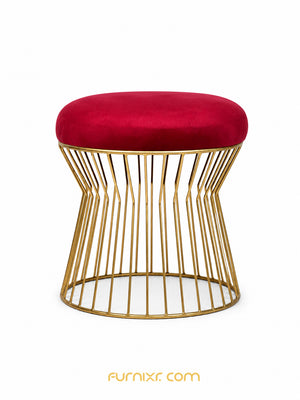
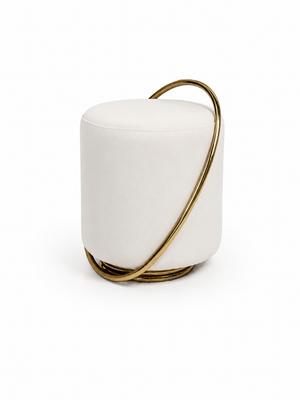


Small living rooms get blamed for feeling cramped, but more often than not, it's the furniture choices doing the damage — not the square footage itself.
Legs change everything
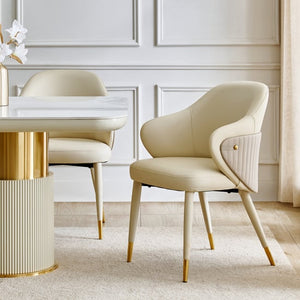
Furniture with exposed legs lets light and floor flow underneath it, which visually expands a room far more than people expect. Swapping a boxy, floor-touching sofa for one raised on slim wooden or metal legs can make the same room feel noticeably larger without moving a single wall.
Scale down, don't just shrink
The instinct in small rooms is to buy "small" furniture, but mismatched proportions look more cluttered, not less. A single well-proportioned 2-seater sofa with one accent chair almost always reads larger than three mismatched small pieces crammed together.
Multi-functional furniture earns its keep
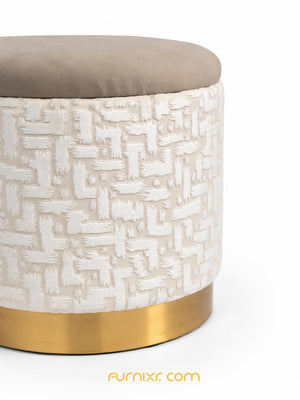
A coffee table with storage, a console that doubles as a console-bar, an ottoman that opens up — in small spaces, furniture that does two jobs effectively gives you back square footage you didn't have before.
Light, reflective, and low-contrast palettes help
Dark furniture against dark walls can swallow a small room. Lighter wood tones, soft fabric colors, and one or two reflective surfaces (a glass-top table, a mirrored console) all bounce light around and make boundaries feel less defined.
Don't push everything against the walls
Counterintuitively, pulling furniture slightly away from the walls and creating one clear walking path through the room often makes a small space feel more open than cramming everything to the perimeter.
The takeaway
Small rooms aren't a limitation — they're a constraint that rewards smarter furniture choices. Get the legs, scale, and color palette right, and a small living room can feel surprisingly expansive.